Monday - Friday
09:30 - 17:00
Saturday
09:30 - 14:00
Sunday
Closed
Safiye Ali Theme 
Hypotension
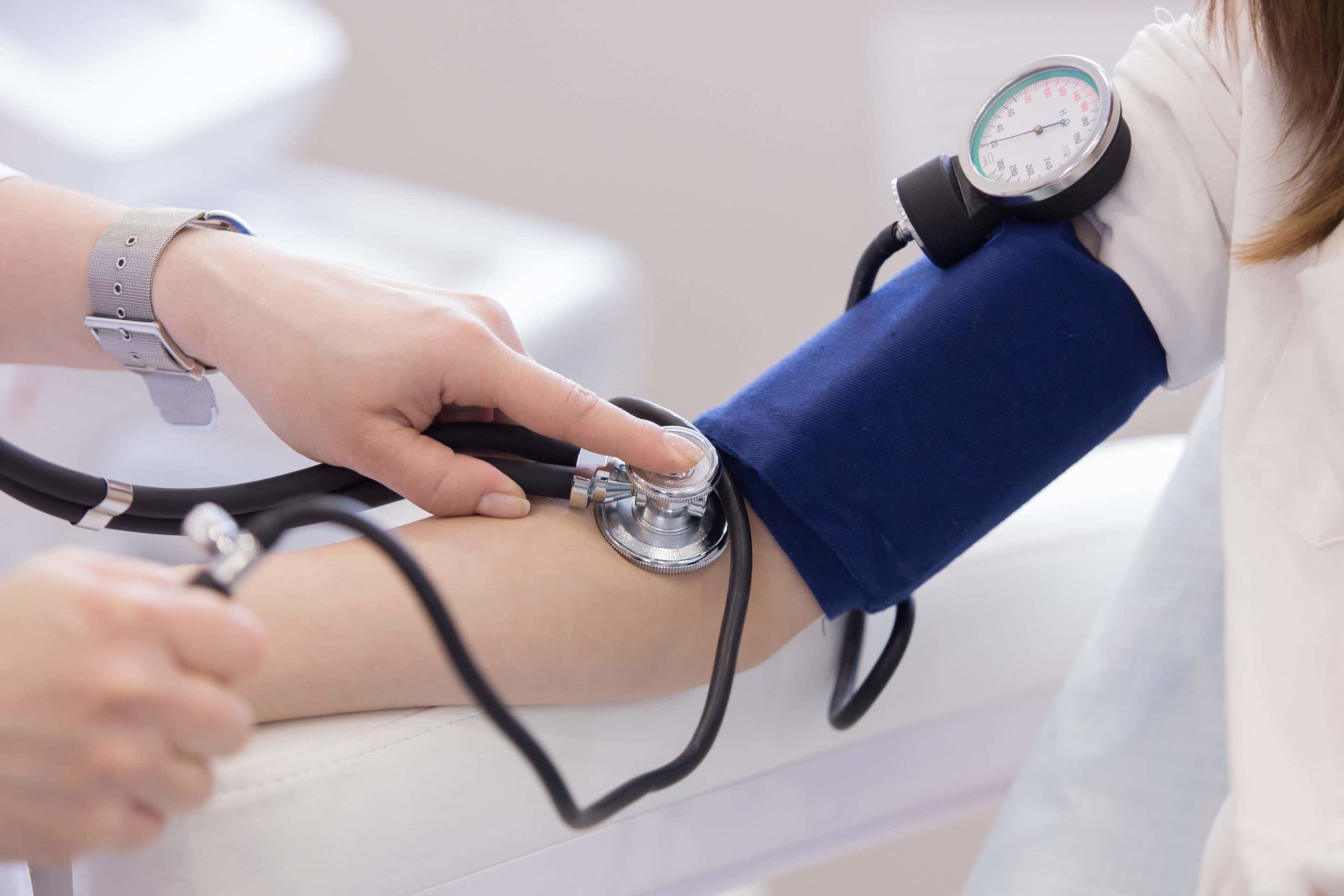
Hypotension
Hypotension
With each heartbeat, the blood pumped into the body exerts some pressure on the vessel wall. The value of this pressure force is defined as blood pressure. Blood pressure may increase and decrease regularly during daily activities. If the pressure value falls below the normal value, it is called low blood pressure (hypotension). You can follow the rest of the article to get more information about low blood pressure.
What is Low Blood Pressure?
The unit of millimeter mercury (mmHg) is used to measure blood pressure. From the blood pressure values expressed in binary form, the first one is called systolic blood pressure, and the second one is called diastolic blood pressure. Systolic blood pressure is the value measured with the heartbeat, and the blood pressure when the heart is relaxed is the diastolic blood pressure. Although hypertension, that is, high blood pressure, is mentioned as a disease among the people, it is useful to be conscious about it, since hypotension (low blood pressure), which is the decrease in systolic and diastolic blood pressure values, can also cause some problems.
For a person's blood pressure to be expressed as low blood pressure, systolic blood pressure must be less than 90 mmHg and diastolic blood pressure must be less than 60 mmHg.
Unlike other parts of the body, the heart muscle is an organ that gets blood when it relaxes. If the diastolic pressure is too low, it means that the heart is not getting enough oxygen-rich blood. Over time, this can lead to weakening of the heart muscle and the occurrence of a cardiac disease called diastolic heart failure.
What Are the Symptoms of Low Blood Pressure?
Measuring blood pressure below 90/60 mmHg is called low blood pressure. Among the types of this condition, which is defined as hypotension, the most common is orthostatic hypotension. During the development of orthostatic hypotension, complaints such as darkening of the eyes, drowsiness and nausea may occur. Severe hypotension, on the other hand, occurs in cases of shock and requires immediate medical attention. If untreated, shock can progress in a short time and follow a fatal course.
If hypotension develops, some similar effects occur regardless of the underlying cause. The symptoms that may occur can be summarized as follows:
Dizziness
darkening in the eyes
Tiredness
Weakness
clouding of consciousness
Fainting or fainting
The degree and timing of symptoms may vary depending on the degree of hypotension.
In orthostatic hypotension, symptoms occur when the person stands up from a sitting or lying position. Symptoms usually disappear when the person sits or lies down. Physical exhaustion, prolonged standing, and hot weather can worsen the symptoms of orthostatic hypotension.
What Causes Blood Pressure Drop?
Blood pressure can fluctuate throughout the day. Temporary conditions such as dehydration (fluid loss) can trigger blood pressure changes, as well as chronic and serious diseases such as heart disease can cause low blood pressure. Low blood pressure can also develop due to natural processes such as genetics or aging. In some cases, temporary hypotension may be detected in cases such as pregnancy.
Changes in eating habits are applications that can be effective in simple and temporary hypotension situations. If necessary, the complaints of low blood pressure can be eliminated by prescribing various drugs.
Many factors affect blood pressure. Among these factors, the causes of temporary hypotension can be summarized as follows:
Nutrition
Strain
prolonged immobility
fluid loss
Pregnancy
While the causes of hypotension such as pregnancy may regress spontaneously, other conditions can be controlled with various applications such as dietary changes. Apart from these conditions, the more severe and chronic conditions that may cause hypotension can be listed as follows:
Vitamin deficiencies such as B12 and folic acid
prolonged standing
endocrine problems such as hypothyroidism
heart ailments
Septic shock during severe bacterial infections
Anaphylactic shock, which is a life-threatening allergic reaction
In addition to these conditions, care should be taken as hypotension may develop in cases of heavy blood loss.
Low blood pressure may occur as a side effect after the use of various drugs prescribed for some conditions. Drugs that can produce such an effect are generally as follows:
Diuretics (diuretics)
Drugs used in the treatment of hypertension (high blood pressure)
Medicines used to treat heart ailments
antidepressant drugs
Drugs used for the treatment of erectile dysfunction
Medicines used in the treatment of various neurological diseases such as Parkinson's disease
It is very important to inform the physician about the low blood pressure that occurs due to side effects after the use of the drug. Medicines used in the treatment of various vital conditions should not be discontinued without the knowledge of the physician prescribing that medicine. After applying to the doctor, changes in the dose and frequency of administration of the drug can be made when necessary, and existing complaints can be controlled.
How Is Low Blood Pressure Treated?
In many cases with low blood pressure, no treatment is usually required, but if the hypotension is caused by another hidden condition in the person, various applications can be applied to treat the underlying condition. The treatment method to be applied varies according to the underlying disease. Some treatment methods are as follows:
Prescribing various medications for the treatment of low blood pressure
Reviewing the person's current medications and re-adjusting the dose
Planning dietary changes in matters such as salt and fluid consumption
It is very important that physicians have knowledge and suggestions before such applications.
WHAT IS GOOD FOR LOW BLOODTENSION?
Various applications that can be done within the knowledge and recommendation of physicians can be useful in controlling low blood pressure:
Moving slowly when getting up from a sitting or lying position
Lifting the head of the bed
Minimizing meals and resting after meals
increase fluid intake
Avoiding behaviors such as sitting or standing for long periods of time
avoiding alcohol consumption
Avoiding caffeinated drinks late at night
It is recommended to consult your doctor about which of these applications will be good for your low blood pressure.
Low blood pressure is not usually a symptom of any serious problem. In some cases, caution should be exercised as sudden drops in blood pressure may be the result of conditions that require immediate treatment. Some of the situations where blood pressure drops suddenly and require urgent treatment are as follows:
Severe trauma causing internal or external bleeding
allergen exposure
Heavy fluid losses
Infections that spread to other parts of the body
In such cases, urgent protective measures should be taken and intervention should be made in order to prevent shock and prevent damage to various organs, especially the brain.
Many people with low blood pressure are aware of the symptoms that result from hypotension. It is also very important to learn about personal triggers and to get information about how to deal with these situations. If your low blood pressure makes you feel uncomfortable, you can apply to health institutions and get information about the medical treatment or lifestyle changes that can be applied for you. If it is determined that the drugs you are currently using have developed low blood pressure as a side effect, it is very important that you tell the doctor who prescribed the drug instead of stopping the drug with your own decision. We wish you healthy days.